Choosing a Natural Mattress: A UK Buyer’s Guide to Organic Options
In a landscape where sleep science meets sustainable materials, the quest for a natural mattress is more nuanced than ever. This guide walks UK readers through the core distinctions between natural latex, organic cotton covers, and responsibly engineered springs, while anchoring recommendations in credible certifications and transparent manufacturing practices. We explore the Foambed catalogue's relevant entries and examine how brands and certifications shape healthier, cooler nights.
What “Natural” Means in Mattress Construction
For many shoppers, “natural” signals a return to materials that feel closer to the earth. Yet the mattress industry uses the term with a spectrum of meanings. At one end, you’ll find mattresses built with natural latex (Dunlop or Talalay processing) and organic cotton covers that avoid synthetic finishes. At the other end, there are foams that are labeled as “natural” due to partial bio-based content or recycled particles; these can still perform like conventional foams in terms of support and response. The essential distinction lies in the balance between comfort, durability, and the environmental footprint of each component.
Memory foam, when considered in a natural framework, becomes a point of contrast: conventional polyurethane foams are derived from petrochemicals, whereas organic and natural models seek to minimize or replace those inputs. Latex, particularly if certified as organic or GOTS-certified, often offers a resilient, buoyant feel with natural breathability. Organic cotton covers contribute to a sleep surface that remains gentle against skin and improves moisture management, especially when combined with natural or certified latex cores.
Brand Landscape: UK-Aligned Names in the Foambed Catalogue
Within the Foambed catalogue, several brands align with the natural and organic ethos. Notably, Naturepedic and Vispring sit on opposite ends of the spectrum in terms of construction and price, but both emphasize certifications and transparency. Naturepedic often foregrounds organic cotton and latex components, while Vispring champions natural materials such as wool, cotton, and hide springs wrapped with natural fibers. For UK readers, it is essential to consider how these brands communicate material origins, certifications, and warranty terms when evaluating long-term comfort and value.
Certifications to watch include GOTS (Global Organic Textile Standard) for textiles, GOLS (Global Organic Latex Standard) for latex, and CertiPUR-US or ECO-TEX for foams where applicable. The presence of a GOTS label on a pillow or cover, alongside a latex core that is GOLS-certified, signals a coherent chain of custody from raw material to finished product. In the Foambed ecosystem, these signals of credibility help differentiate products in a crowded market and reduce buyer uncertainty.
Material Choices: Latex, Foam, and Hybrid Constructions
Latex mattresses—whether Dunlop or Talalay—offer buoyant support with natural elasticity. Dunlop latex tends to be denser and more durable, while Talalay latex often yields a lighter, more sculpted feel. Organic latex, when paired with an organic cotton cover, can provide excellent breathability, resisting heat buildup and maintaining a balanced temperature through the night. In the UK climate, this natural temperature regulation can translate into cooler, more comfortable sleep, particularly when combined with breathable fabrics and mattress toppers.
Foam mattresses, including memory foam and polyurethane variants, can offer exceptional contouring and support. The key is to identify foams that meet environmental and health-conscious criteria, such as low VOC emissions, CertiPUR certification for foams, and content transparency. Hybrid constructions, which combine latex or foam with a pocketed coil or other support cores, aim to deliver the best of both worlds: pressure relief with robust edge support and airflow for temperature management.
In practical terms, a natural mattress selection often reduces reliance on synthetic foams alone, favoring natural latex cores and organic covers as foundational elements. This alignment supports a sleep experience that feels closer to nature while still delivering the ergonomics required for varied sleeping positions and body types.
Certifications and Practical Buying Considerations
Choosing a natural mattress is as much about process as it is about product. Certifications help ensure the materials originate from responsible farms and that manufacturing processes meet recognized environmental and safety standards. When evaluating candidates, consider the following framework:
- Material authenticity: Confirm that latex is certified (GOLS) and textiles are organic (GOTS) where applicable.
- Core construction: Understand whether the core is natural latex, organic cotton/latex blend, or a hybrid core with metal springs. Assess durability and support based on your sleep position and weight.
- Temperature regulation: Look for breathable covers and moisture-wicking finishes. Natural materials tend to promote better airflow, reducing heat buildup.
- Allergy considerations: Organic and natural materials reduce exposure to synthetic additives that may cause sensitivity in some sleepers.
- Warranty and trial: A generous trial period confirms comfort and real-world performance. A robust warranty protects against premature sagging or degradation.
Within the UK market, brands often pair these certifications with transparent product data sheets. The aim is to empower consumers to compare like-for-like across different constructions—latex, memory foam, and hybrids—without compromising on sustainability or long-term health considerations.
A Framework for UK Buyers: How to Compare Memory Foam, Latex, and Hybrid Options
A structured approach helps demystify the choices and keeps the focus on long-term comfort and health. Start with the core material and then assess the surrounding layers and textiles. Use the following checklist as a practical guide:
- Core material: Natural latex vs foam vs hybrid. Consider durability, contouring, and spring systems if present.
- Cover and comfort layers: Organic cotton, wool, or other natural fibers can influence temperature and surface feel.
- Certifications: Prioritize products with GOTS, GOLS, or comparable certifications and be cautious of vague labeling.
- Allergen and sensitivity: Hypoallergenic options and cleanroom-grade foams may offer additional reassurance.
- Climate and room setup: Consider room temperature, humidity, and ventilation when choosing a mattress and any toppers or protectors.
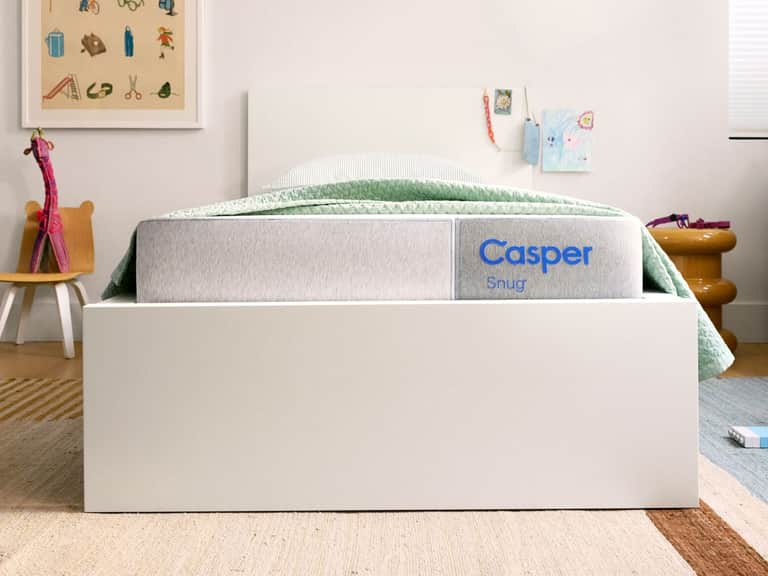
To illustrate, consider a product from the Foambed ecosystem—the Snug™ 4217 model, offered by Casper in a twin configuration. Snug™ employs a three-layer foam construction designed for growing sleepers and is paired with two waterproof mattress protectors. For families with children or caregivers seeking practical, durable sleep solutions, Snug™ provides a concrete example of how layered foams can balance comfort with protection, while keeping a focus on value and longevity.
Note: The Snug™ entry is included as a point of reference; real-world choices should reflect your personal comfort, budget, and the specific certification profile of the product you select. Always request test sleeps and verify warranty coverage to ensure confidence in your purchase.
Key Figures in the History of Sleep and Materials
Across eras, thinkers and artisans have shaped how we think about sleep surfaces. Three key individuals, each from different time periods, illuminate the evolution of comfort and material science:
1) Leonardo da Vinci (1452–1519) — Early inquiries into the harmony of form and function
Leonardo’s fascination with the relationship between anatomy and structure laid philosophical groundwork for how an object can cradle the body. While not a mattress designer, his insistence on observing how form distributes weight informed later explorations into ergonomic support. The da Vinci approach—interdisciplinary, meticulous, and empirical—serves as a reminder that the bed is not merely a surface but a system of pressure distribution, posture alignment, and comfort.
2) Florence Nightingale (1820–1910) — Hygiene and the science of rest
Nightingale’s influence extended beyond hospitals to the idea that rest and sleep health are foundational to well-being. Her emphasis on hygiene and environment—clean air, comfortable sleeping arrangements, and a climate of calm—foreshadowed modern sleep-health paradigms. In the context of natural mattresses, Nightingale’s legacy underscores the importance of a clean, allergen-conscious sleeping space and materials that promote healthful rest.
3) Charles Y. King (b. 1930s) — The rise of modern foam technology
In the later 20th century, engineers and researchers unlocked the potential of polyurethane foams, memory foams, and later, advanced cooling technologies. King-era innovations gave rise to a new generation of bedding materials—foams with refined density, improved resilience, and cool-touch surfaces. The Foambed ethos sits within this lineage, blending scientific curiosity with an ethical focus on healthier sleep environments.
Product Spotlight: Snug™ 4217 from the Foambed Catalogue
Within the Foambed universe, Snug™ 4217 represents a practical embodiment of a family-friendly, natural-leaning approach to sleep technology. The product entry delivers a three-layer breathable foam mattress designed for growing sleepers, with two waterproof mattress protectors included for spills and accidents. This combination reflects a pragmatic balance between comfort, protection, and longevity—concepts that UK buyers often value when seeking a healthier night’s sleep for the family.
Key features include:
- Three layers of breathable foam for targeted support and contouring
- Two waterproof mattress protectors for spill protection and hygiene
- Standard-profile design suitable for common UK bed frames
- Delivered as a twin configuration for shared sleeping spaces
Snug™ 4217 embodies the kind of accessible, family-friendly natural sleep solution that Foambed aspires to celebrate—combining practical design with a clear commitment to safe, breathable materials. In the context of the guide above, it demonstrates how a mattress can integrate layered foams with protective components to create a sleep surface that remains comfortable through growth and daily life.
Snug™ 4217
Casper brand, twin configuration
Price: £599.00
Includes two waterproof mattress protectors
Guided Pathways: Setting Up Your Natural UK Sleep Environment
Beyond selecting the mattress itself, consider the ecosystem of sleep: the bed frame, the protector, the sheets, and the ambient room conditions. A well-chosen organic mattress thrives when paired with breathable, low-chemical textiles, temperature-regulating toppers, and evaporation-friendly covers. The synergy of these elements produces a sleeping space that encourages consistent, restorative rest.
As you gather components, aim for a cohesive set of certifications and material transparency. This approach minimizes guesswork and helps ensure that your investments align with health, sustainability, and comfort goals—principles that sit at the heart of Foambed’s editorial philosophy.
Conclusion: A Thoughtful Approach to Natural Sleep
The UK reader stepping into the market for a natural mattress should do so with a clear sense of what “natural” means in construction, which certifications matter, and how to compare different core technologies. By prioritizing latex cores with organic coverings, scrutinizing brand transparency, and leveraging a structured buying framework, you can navigate a field that is rich with choice but grounded in credible, health-forward practices.
Foambed’s educational intent is to illuminate these paths—to distill complex material science into accessible knowledge, and to empower readers to make decisions that support longer, cooler, and more restorative nights. Whether selecting a product from the Snug™ line or exploring the broader latex and organic options, the goal remains constant: a bed that feels like home to the body and a night that returns the mind to calm, clear rest.
Published date: September 27, 2026
Note: This article references Foambed catalogue entries and practical UK considerations. Always verify current certifications and product specifications before purchase.