Wool as a natural fibre offers exceptional breathability and moisture management, making it a versatile material for sleep and bedding. Its unique structure traps air, providing insulation in cooler conditions and releasing heat in warmer ones. This adaptability supports stable sleeping temperatures and helps maintain a comfortable microclimate throughout the night.
In bedding applications, wool is valued for its softness and elasticity, which contribute to lasting comfort and pressure distribution. Wool fibers wick away moisture from the skin, reducing dampness and enhancing overall sleep quality. When used in pillows or sheets, wool can help regulate moisture without relying on synthetic additives.
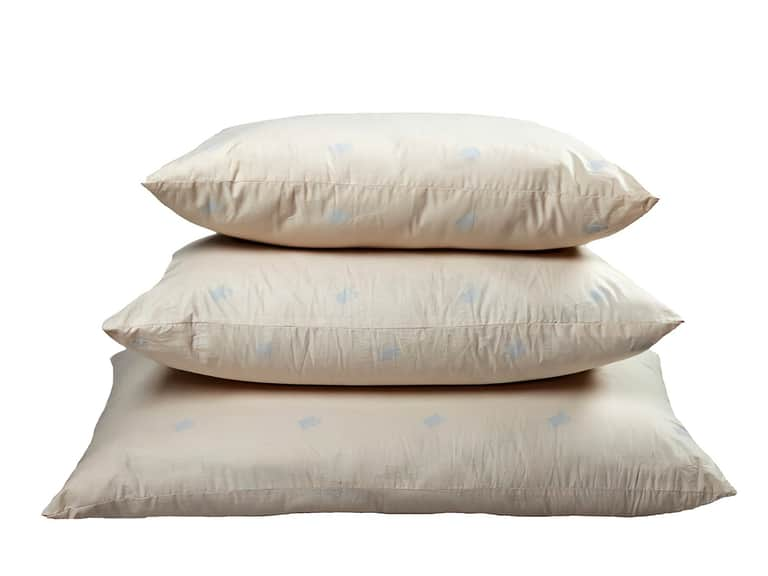
Within the Sleep and Beyond and myWool Pillow offerings, wool components are chosen for durability and hypoallergenic properties. The pillows provide supportive loft and resilience, adapting to different sleep positions. Wool’s natural antimicrobial qualities can contribute to a cleaner sleeping surface, while maintaining a gentle, non-irritating feel.
Organic and responsibly sourced wool integrates well with other bedding materials such as natural latex and organic mattresses. Wool complements layering strategies by acting as a breathable inner layer that moderates temperature. Its resilience supports long-term shape retention, aiding in overall bed comfort and relieving surface pressure points.
Understanding wool’s practical uses includes recognizing its role in sheets and duvet components, where fibre structure promotes thermoregulation and moisture control. The combination of wool with other natural fibres, such as latex or cotton blends, enhances durability and comfort. This makes wool-based bedding suitable for varied climates and individual sensitivity considerations.
 Bedding